Zmm220 Default Telnet Password Updated _verified_ -
Using Telnet is highly insecure as credentials are sent in plain text. It is recommended to use the ZKTeco official support resources for authorized servicing.
In recent firmware updates, the default Telnet password for the ZMM220 has been changed to enhance device security. This update is part of an ongoing effort to strengthen the security features of the device and protect against potential threats. The new default Telnet password is more complex and robust, making it harder for unauthorized users to gain access to the device.
: Some advanced configurations or firmware backups have revealed specific telnet strings like $Telnet=z1k2t3e4c5h . Importance of Updating Passwords zmm220 default telnet password updated
If your device has Telnet enabled (usually on port 23 or 10086), try these common combinations: administrator (common for Web 3.0 and newer interfaces) Advanced "Updated" Passwords
Given the security risks associated with default Telnet access and unauthenticated UDP connections, here are comprehensive steps to protect ZMM220-based systems: Using Telnet is highly insecure as credentials are
When updating to the latest patch, the terminal often syncs its Linux system root password with the "Comm Password" (Communication Password) set via the ADMS or attendance management software interface. How to Verify and Secure Your ZMM220 Device
2. ZMM220 Default Telnet Password Updated: The Current Situation (2026) This update is part of an ongoing effort
Access the device physical menu and navigate to > Device Info . Note down the exact Serial Number (SN) and MAC Address .
: Type passwd root and press Enter. Follow the prompts to enter and confirm your new, complex password.
: Create unauthorized users to bypass physical door security.
By default, many ZMM220-based devices can be accessed via port 23 (Telnet). Researchers have identified several "classic" default credentials often used by manufacturers for internal testing or maintenance that remain active on production units: Common Usernames: Common Passwords:
 Blocks viruses, cryptolockers, attacks & more
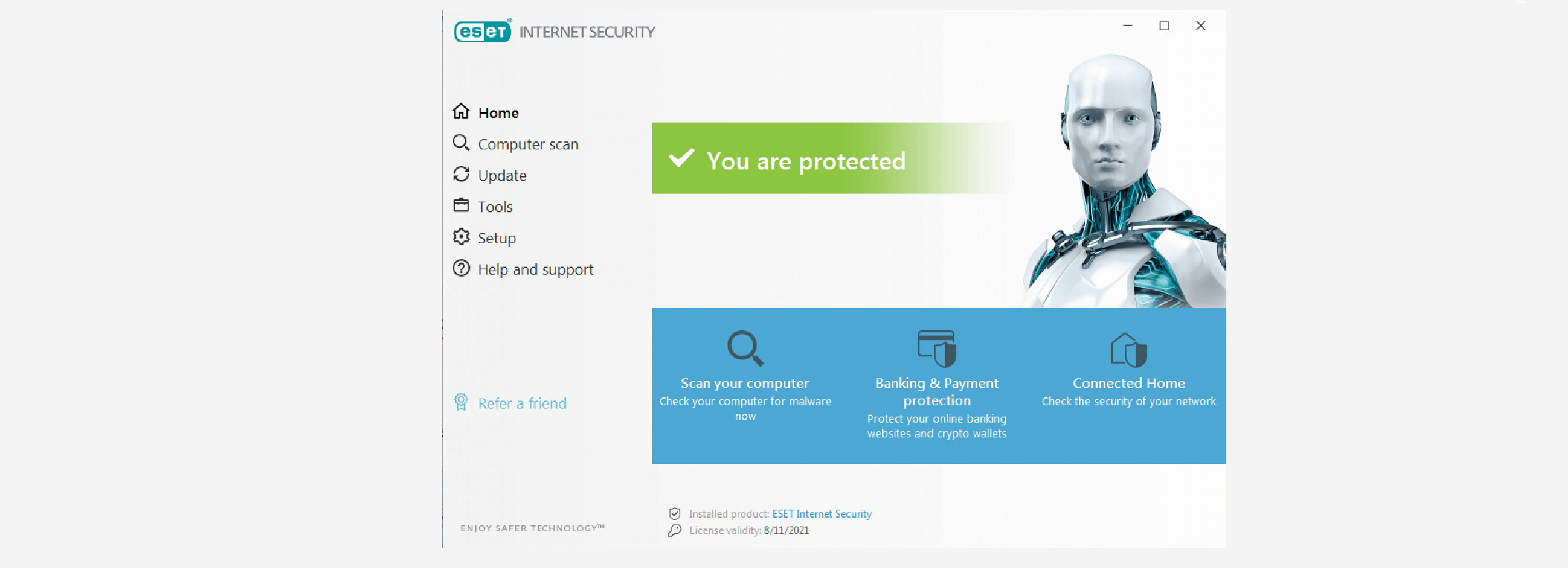 Legendary antivirus technology. Anti-phishing. No slowdowns. Multilayered proactive protection. Banking & Payment Protection. Parental Control. Firewall, Network, Inspector and more.
 Save money
 Fast download
 All languages

 Buy now